

Spring is a great time to spend time getting to know the area where you live to see if you can find medicinal plants or plants that can be used as food. Foraging also comes in handy when exploring the wilderness, where access to conventional medicine can be limited. In such situations, knowledge of medicinal plants and herbs can be invaluable.
A word of caution: One must be careful to not harvest plants from areas that may have been sprayed with weedkiller or pesticides. Also, certain herbs and plants can interact with medications. Check with your doctor before using herbs if taking medication.
This list of natural remedies, often overlooked, have been used for centuries to treat common ailments and injuries. Here’s how you can identify and use natural resources around you to address personal wellness and medical needs.
Identifying Medicinal Plants and Herbs
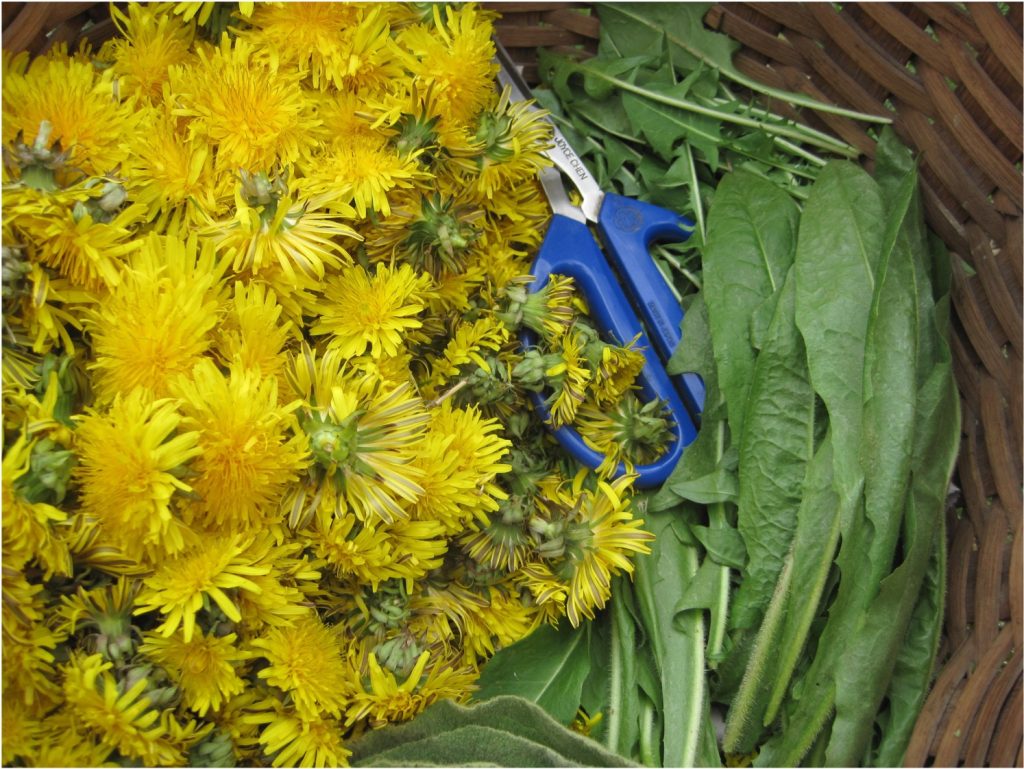
Dandelion (Taraxacum officinal): All parts of dandelion are edible (flower, leaf and root) and provide vitamins A, C, K, folate, calcium and potassium. Dandelion aids digestion, supports the liver, kidneys and bones, reduces inflammation, and is an antioxidant and diuretic.
Plantain (Plantago major): Often found along trails and in open fields, plantain leaves effectively treat insect bites, stings, and minor cuts. The leaves can be chewed into a paste or crushed and applied to the affected area to reduce swelling and soothe irritation.
Willow (Salix spp.): The bark of willow trees contains salycilin, a compound chemically similar to aspirin. Chewing on small pieces of willow bark or brewing tea with it can help alleviate pain, reduce fever, and relieve inflammation.
Yarrow (Achillea millefolium): Yarrow is a versatile plant known for its ability to stop bleeding and promote wound healing. The leaves can be crushed and applied directly to wounds as a poultice, helping to reduce bleeding and prevent infection.
Tip: Always ensure accurate identification of plants before use, as some may look similar to toxic species. Carrying a field guide or using a reliable app can be helpful for identifying medicinal plants in the wild.
Did You Know? Yarrow was named after Achilles, the Greek hero who, according to legend, used the plant to treat his soldiers’ wounds during battle.


Using Herbal Remedies for Common Ailments
Digestive Issues: Peppermint (Mentha piperita) and ginger (Zingiber officinale) are excellent for soothing digestive discomforts such as nausea, bloating, and gas. Peppermint leaves can be brewed into a tea while chewing or steeping ginger can relieve gastrointestinal issues and symptoms.
Respiratory Relief: Pine needles (Pinus spp.) can be brewed into a tea rich in vitamin C and help alleviate symptoms of colds, coughs, and sore throats. The aromatic oils in pine needles also have expectorant properties, making it easier to expel mucus.
Pain and Inflammation: Arnica (Arnica montana) flowers, when applied topically, can reduce bruising, muscle soreness, and inflammation. However, it’s important to note that arnica should not be ingested, as it can be toxic.
Tip: Use clean water and tools to avoid contamination when preparing plant-based remedies. For external applications, ensure that the affected area is clean to prevent infection.
Did You Know? Pine needle tea was used by Native American tribes to treat scurvy due to its high vitamin C content, especially during winter months when fresh fruits were scarce.
Precautions and Best Practices
Proper Dosage: Even natural remedies can be harmful if used incorrectly. Start with small doses to see how your body reacts, especially if you are new to using a particular plant. Over-consumption of certain plants, like willow bark, can lead to side effects similar to aspirin overdose, such as stomach upset or prolonged bleeding.
Avoiding Toxic Plants: Some plants in the wild are toxic and can cause severe reactions if ingested or applied to the skin. For example, poison hemlock (Conium maculatum) and foxglove (Digitalis purpurea) are highly poisonous and should be avoided. Learn to recognize these and other hazardous plants to prevent accidental poisoning.
Storage and Preservation: If you plan to use medicinal plants during a more extended trip, consider how to store them. Some plants can be dried and kept in airtight containers, while others may need to be used fresh. Keeping plants cool and dry will help preserve their medicinal properties.
Tip: Always seek professional medical help when possible, especially in serious situations. Natural remedies are best used as first aid or in conjunction with other treatments.
Did You Know? The ancient Egyptians documented the use of over 700 herbal remedies, many of which are still in use today, including aloe vera for skin care and garlic for its antimicrobial properties.
Knowledge of natural remedies using plants and herbs is an empowering skill for families. By learning to identify and use these resources, you can treat common ailments effectively when conventional medicine is out of reach. Remember, proper identification and knowledge of correct usage are essential for safety and effectiveness. Incorporating these practices into your outdoor adventures enhances your self-reliance and deepens your connection with nature.

ReadyCorps members have access to the Herbal Medicine and Natural Remedies group, led by an herbalist who offers free, weekly educational training sessions. By joining the ReadyCorps members platform, you will have access to this and scores of other interest groups among many other benefits.
Have You Found Your Community?
We connect people to build resilience together and create stable communities equipped to overcome chaos.
Start building real resilience today!
This is the first time I’ve been introduced to AmCom and I will research it more. Thank you for presenting life safety preparedness that at first seems overwhelming.
We’re here to help. That’s what AmCon is all about. We’ve got a lot of basic training courses and also groups where you can ask questions and learn from others – and all for only $5 a month. You can sign up for a 7-day free trial here: https://members.americancontinency.com/join